Health
MDR1 and Ivermectin: Breed Risk and Emergency Signs
How the MDR1 mutation raises ivermectin risk in Collies and related breeds, which signs mean an emergency, and which drugs to keep off the fridge door.
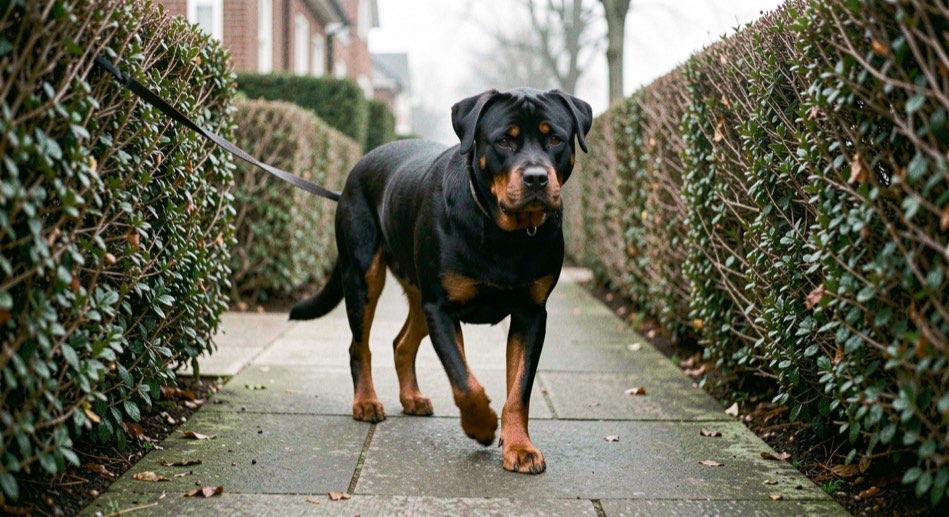
The MDR1 mutation leaves a dog without a working P-glycoprotein pump at the blood-brain barrier, so ivermectin and other macrocyclic lactones reach the brain at doses an unaffected dog would shrug off. Risk is highest in Collies, Australian Shepherds, Shetland Sheepdogs, Old English Sheepdogs and their crosses, and a dog can carry one copy and still react. The first sign is usually stumbling or dilated pupils within hours of a dose, and that is a veterinary emergency, not a wait-and-see.
Which breeds carry the MDR1 mutation?
The mutation is not spread evenly across the dog population. It clusters in herding lines, and the published prevalence figures from the veterinary literature put rough Collies at the top, with a majority of tested dogs carrying at least one copy in some study populations. Australian Shepherds, Miniature American Shepherds, Shetland Sheepdogs, Old English Sheepdogs, Border Collies and German Shepherd lines appear at lower but still meaningful rates. Crosses inherit the same risk: a Collie mix is not a diluted Collie for this purpose.
What matters for a household is not the breed label on the paperwork but whether the dog has been tested. A cheek swab or blood test identifies clear, carrier and affected dogs, and the result does not change with age. Puppies can be tested, though some owners wait until the dog is older and the sample is easier to handle. A carrier with one copy may tolerate standard ivermectin doses used for heartworm prevention and still react to the higher doses used for mange or ear mites, which is why the dose and the drug matter as much as the genotype.
Owners who want the genetics explained in plain language, including how the mutation is passed on and what a test result actually means, can read the breed-by-breed breakdown at MDR1 and ivermectin sensitivity. The same resource walks through what a positive result changes in daily care.
What does ivermectin toxicity look like in a dog?
Ivermectin poisoning is a neurological event, not a stomach upset. The drug crosses into the central nervous system and overstimulates receptors, and the signs follow a fairly predictable order. Early on, an affected dog may seem unsteady, tilt its head, droop its eyelids or walk as if the floor is moving. Pupils can dilate and stay wide in normal light. Some dogs drool, vomit or lose bladder control.
As the dose effect deepens, the dog may lose the ability to stand, tremble, or slip into a stupor. Seizures and coma are the severe end of the spectrum, and they can arrive within a few hours of ingestion. The timeline depends on the dose, the route and the individual dog, but the pattern is fast enough that a phone call to a veterinarian should happen before any sign is allowed to progress.
Any dog with known or suspected MDR1 status that has had access to an ivermectin product, including a livestock pour-on, a horse paste or a discarded tube, needs to be seen. Bring the packaging. The label tells the veterinarian the concentration and the carrier, and that changes the treatment plan.
How is a macrocyclic lactone emergency treated?
There is no home remedy. If the exposure was recent and the dog is stable, a veterinarian may induce vomiting or give activated charcoal to limit further absorption. From there, care is supportive: intravenous fluids, control of seizures with appropriate anticonvulsants, and monitoring of breathing and heart rate. Some dogs need oxygen or a ventilator.
Lipid emulsion therapy has become part of the toolkit for severe macrocyclic lactone toxicity. The idea is to create a lipid sink in the bloodstream that pulls the drug away from the brain, and veterinary case reports describe dogs that were recumbent or seizing and improved after the infusion. It is not a guaranteed reversal and it is not given at home, but it has changed the prognosis for some patients that would otherwise have been lost.
Recovery, when it comes, can take days. Some dogs are left with lingering neurological deficits, and others return to normal. The outcome tracks with how quickly the dog was seen and how much drug was absorbed.
Which drugs should stay off the fridge door?
The refrigerator door is where most households keep the medications that get used on a schedule, and that is exactly where the risk lives. Ivermectin appears in heartworm preventives, in some dewormers, in ear mite preparations and in livestock products that were never meant for a dog. Selamectin, milbemycin and moxidectin belong to the same macrocyclic lactone family and carry their own warnings for affected dogs, though the dose and the formulation change the picture.
A practical list for an MDR1 household includes the following: keep the dog's heartworm preventive on a veterinarian's schedule rather than a farm store shelf; store horse and cattle dewormers where a dog cannot reach them; read the active ingredient on every new product before it goes on the dog; and tell every veterinarian, groomer and boarding kennel that the dog has the mutation. Anesthesia and chemotherapy drugs are a separate conversation, but the same principle applies, which is that the prescribing veterinarian needs the genotype on the chart.
Food and household items deserve a mention too. Some owners report sensitivity to particular treats or supplements, and while the evidence is thinner there, the safe habit is to introduce anything new one item at a time and watch the dog.
What should a boarding kennel or sitter know?
A dog with the MDR1 mutation is a normal dog on an ordinary day. The risk shows up when someone else reaches for a medication without knowing the history. A one-page sheet in the dog's file, listing the genotype, the drugs to avoid and the veterinarian's phone number, prevents most of the problems that arise during a stay.
Travel adds another layer. Heartworm prevention schedules can shift across state lines or countries, and a substitute product chosen at short notice may not be the one the dog normally takes. Confirm the active ingredient before the first dose, not after.
When is it an emergency?
It is an emergency the moment a dog with a known or suspected MDR1 mutation has swallowed an ivermectin product, even if the dog looks fine. It is also an emergency if any dog, tested or not, shows staggering, dilated pupils, drooling, tremors or collapse after a dose of a macrocyclic lactone. Call the veterinarian or a pet poison hotline while you are on the way, and bring the packaging with you.
Waiting for a sign to become unmistakable is the mistake that costs dogs. The window between the first wobble and a seizure can be short, and the treatments that help most work best early. A household that knows its dog's genotype, keeps the drug list current and has the clinic number saved does not have to guess.
For the underlying genetics, the full drug categories and the emergency protocols in more detail, the veterinary information at ivermectin-sensitivity.org is written for owners, breeders and clinicians who need the same facts in one place.