Contact
Write to the editors
A contact page without a form: one address, three reasons to write, and what to attach so the reply is worth the wait.
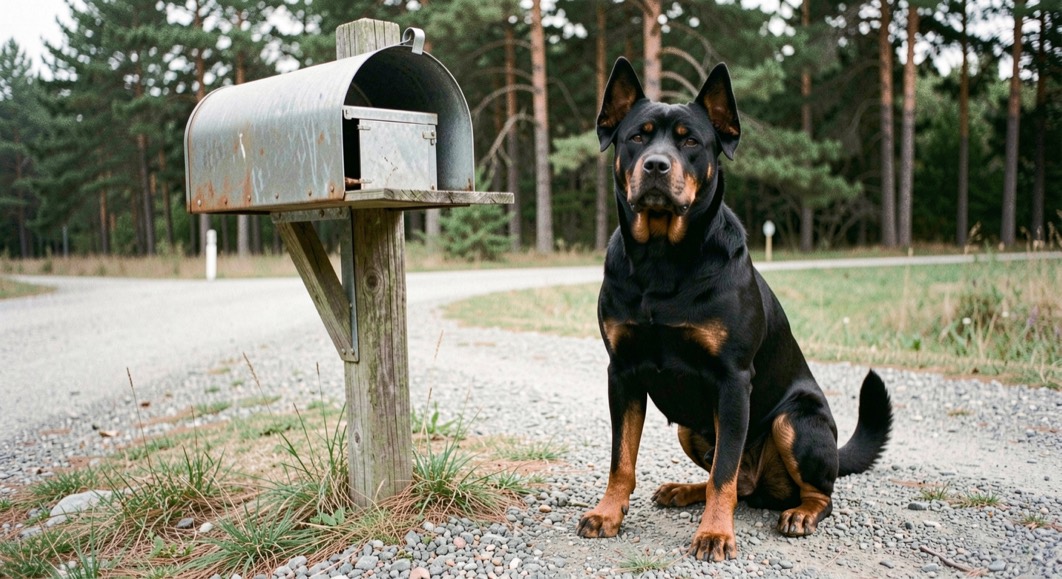
One address serves the whole magazine: [email protected]. A page this far into a magazine expects a form and a ticket number, and the absence of both is the point: mail written to that address lands in a mailbox that is opened and read, and the answer comes back as words from the same place. The mail the address exists for falls into three kinds, and each has a way of being written that gets a useful answer faster.
Corrections and source questions
A correction is the most useful mail the magazine receives and the kind most worth writing carefully. The procedure it enters is published on the page of editorial standards, and the practical part is short: name the page, quote the line, and say what the document actually says. Every challenge is settled the same way, by rereading the line in the source it claims to come from, so a message that arrives with the passage attached, a statute article, a registry requirement, a study, simply shortens the trip. Source questions travel the same road in reverse. Ask what a figure rests on and the answer names the study, the year it was published, the number of animals it measured and the page where it prints. Mail is read as it arrives and answered in the order it arrives, and a correction that carries its own source is the fastest kind there is.
Reprints and quotations
A short quotation with a link back is welcome and needs no arrangement: a passage borrowed into a school paper, a club newsletter or a veterinary handout ends up serving the same reader this magazine writes for. Longer reuse, a full section, a table, an illustration, goes through the same address, and the answer comes back with the conditions written out plainly. The tables are the requests worth raising in advance, because a table copied away from its dates and its sample sizes stops being the thing that made it worth copying, and the dates are the part most often left behind.
What this address does not answer
The mailbox reads mail about pages, and the honest answer to a good part of what arrives is the name of the better door. A question about your own dog’s health belongs with the veterinarian who can see the dog; the screening table in the health section exists to help you decide what to ask for, and it stops exactly where the examination begins. A question about a particular policy belongs with the carrier that issued it, asked in writing, so that the answer arrives as a document rather than as a recollection. A question about a particular dog belongs with the people who know that dog. What the address answers is the part that lives on these pages: what a document says, how a procedure runs, where a line came from, and what has changed since the page was last worked on. Before writing, about this magazine describes how the desk works, and privacy and data describes what becomes of a message and its address once it lands. The three lines below are what turn a message into an answer:
What a message needs in it
- The address of the page and the line it concerns, quoted.
- The document that settles it, named, or the passage itself pasted in.
- An address to write back to, if the answer wanted goes past the public page.
Mail that looks like it belongs to this mailbox and is one letter off is its own problem, and the first steps after a suspicious message are laid out in when the message about a dog looks wrong.