Adoption
A pedigree cat joins a dog household
A practical file for bringing a pedigree cat into a home with a dog: breeder questions, a slow first meeting, separate resources and the first weeks under one
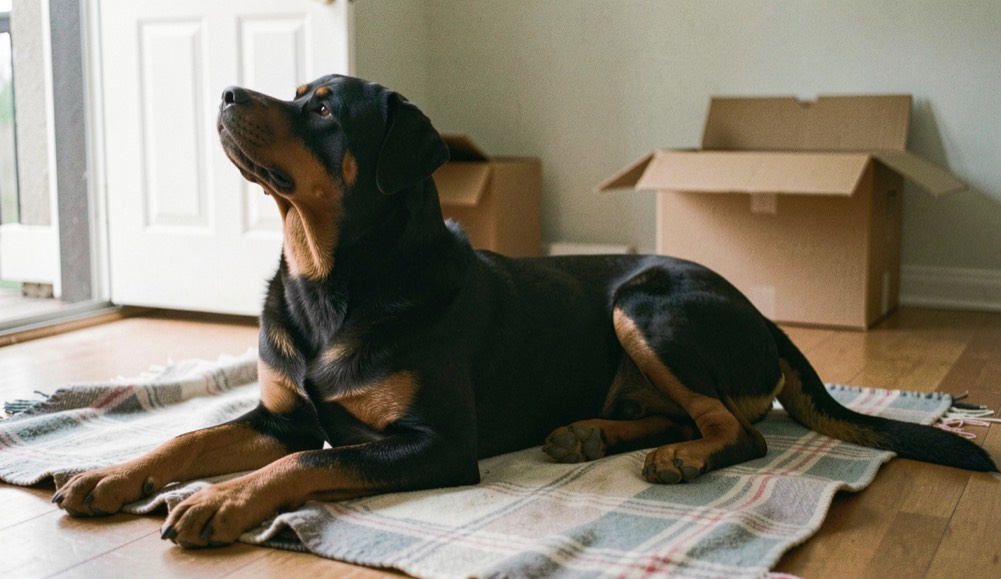
A pedigree cat can share a home with a dog, but the outcome is decided before the cat arrives, not on the day of the meeting. The breeder file tells you whether the kitten has been raised around dogs, and the first weeks go well only when the two animals are kept separate at first, introduced through a barrier and given their own food, litter and resting places. Breed, size and temperament of the dog matter less than the dog's training and the household's willingness to move slowly.
What the breeder file should tell you before you commit
A responsible breeder keeps records that answer questions a dog owner would not think to ask. Ask for the kitten's vaccination and deworming schedule, the results of FeLV and FIV testing on the parents, and any screening for HCM and PKD in the lines behind the litter. For a Ragdoll, a French cattery such as the Ragdoll cattery blog documents coat patterns, colourpoint, mitted and bicolour, along with growth and senior care, which gives you a written reference to compare against what you are told. Ask how the kitten was raised: in a room away from the household, or in the middle of daily life with adults, children and other animals. A kitten that has already heard a dog bark and smelled a dog through a door starts the transition with less to learn.
Ask also what the breeder will do if the placement fails. A contract that requires the cat to be returned to the breeder rather than rehomed privately protects the animal and tells you the breeder expects the relationship to last. If the breeder cannot name the tests performed on the parents, treat that as information, not as a moral judgment, and decide whether you can live with the uncertainty.
How do you introduce a cat to a dog without a fight?
Introduce them through a closed door first. For three to seven days, keep the cat in one room with its litter box, water, food and a hiding place, and let the dog move through the rest of the house. Feed both animals on opposite sides of that door at the same time, so each one associates the smell of the other with something pleasant. Swap bedding after a few days: a blanket that smells of the cat goes into the dog's bed, and the reverse. Watch the dog's reaction. A dog that ignores the scent is ready for the next step; a dog that stares at the door, whines or refuses food needs more time and more exercise before any meeting.
Then use a barrier. A baby gate or a glass door lets the two see each other without contact. Keep the first sessions to two or three minutes, several times a day, and end them while both animals are calm. If the dog lunges or the cat freezes, stop and go back to the door. The cat decides the pace: a cat that walks away has ended the session, and forcing the meeting again teaches the cat that the dog predicts something unpleasant.
The first weeks under one roof
Once the barrier sessions are boring for both animals, allow a supervised meeting in a room with escape routes. Put a tall cat tree or a shelf the cat can reach in seconds, and keep the dog on a leash held by a second person for the first few meetings. Do not hold the cat in your arms during a meeting: a cat that cannot flee may scratch, and a scratch near a dog's eye ends the experiment badly. Let the cat approach, sniff and leave. Reward the dog for looking away from the cat, for lying down and for staying when the cat moves.
Separate resources are not optional. Each animal needs its own food bowl, its own water and its own sleeping place, and the cat's litter box must be somewhere the dog cannot reach. Many dogs eat cat food and cat feces, which is a health problem and a source of conflict. A covered box in a room closed by a baby gate, or a box placed on a surface the dog cannot climb, solves both. Feed the dog in a crate or a separate room if it guards food, and never leave a bowl of cat food on the floor between meals.
Expect the first two weeks to look like a step backward. The cat may hide under a bed for days, eat only at night and refuse the rooms where the dog has been. That is normal. Keep the routine identical: same feeding times, same litter cleaning, same quiet hours. A cat that hides but eats, drinks and uses the box is adjusting. A cat that stops eating for more than twenty-four hours needs a veterinarian, not more patience.
Do dogs and cats need separate zones in a small home?
Yes, and vertical space is the cheapest way to create them. A cat tree with platforms at different heights, a shelf above a doorway or a cat wall gives the cat a route through the room that the dog cannot follow. Place one resting spot near a window and one in a quiet corner, and keep a second litter box if the home has more than one floor. The rule of thumb used in shelters and by behaviorists is one box per cat plus one, placed in different locations.
The dog needs a zone too. A crate, a bed or a mat where the dog can rest without being approached by the cat protects the dog from a cat that wants to play at three in the morning. Teach the dog a place cue and reward it there while the cat is in the room. If the dog is large, a mat on the floor is enough; the point is that the dog has somewhere to go that the cat does not use.
What changes in the household routine?
Feeding becomes a scheduled event rather than a free-for-all. Measure both animals' food, feed them in separate places and pick up what is not eaten within twenty minutes. This prevents weight gain in the dog, which steals cat kibble, and in the cat, which learns to wait for the dog's leftovers. Water bowls should be in at least two places, because a cat may avoid a bowl that a dog stands over.
Grooming and handling change as well. A long-haired cat needs regular brushing, and a dog that interrupts every session makes the cat dislike the brush. Close the door, or brush the cat on a surface the dog cannot reach. Nail trims, ear checks and veterinary visits are easier if the cat is already used to being handled in a room away from the dog.
Travel and boarding need a plan for two species. Some boarding kennels accept cats, some do not, and a cat that has never been alone in a strange building will not enjoy a dog kennel's noise. Ask your veterinarian for a list of cat-only boarding options before you need one, and keep both animals' vaccination records in the same folder.
When to call a professional
Call a veterinarian or a certified behavior consultant if the dog has injured or tried to injure the cat, if the cat stops using the litter box, or if either animal hides, vomits or stops eating for more than a day after a meeting. A single incident of chasing is not a failure, but a dog that corners the cat and does not respond to a recall needs an assessment before the two are left alone again. Until that assessment, keep them separated, and do not rely on a closed door that a determined dog can open.
The long view is simple. A cat and a dog can share a home for fifteen years or more, and the work is concentrated in the first two months. Slow introductions, separate resources and a routine that does not depend on the animals' moods give both of them a household they can predict.