Law and Insurance
Image licensing basics for breed magazines
Copyright, rights-managed versus royalty-free, territory and duration: what a breed magazine needs to know before using its own pictures.
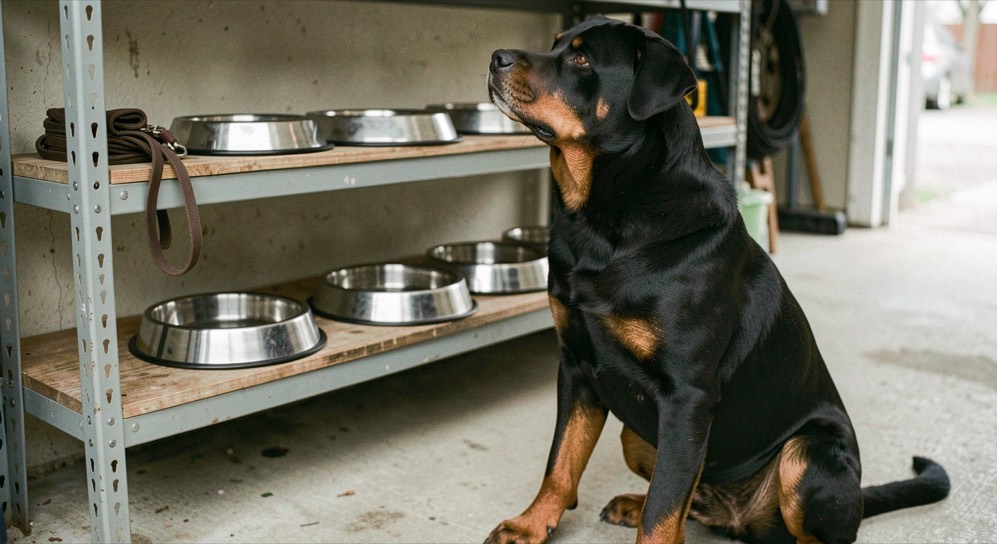
Copyright is the legal right that belongs to the person who made a photograph, and it exists from the moment the shutter clicks, with no registration required. A licence is simply the permission the copyright owner gives someone else to use that picture under stated conditions. For a breed magazine, that means the club, the editor and the photographer are three separate parties, and the picture cannot be treated as free to use just because it was taken at a club event.
What is copyright and how does it affect image licensing?
Copyright covers the expression of a photograph: the framing, the timing, the light, the edit. It does not cover the subject. A Rottweiler standing in a field is not protected, but the particular photograph of that dog is. Ownership starts with the photographer unless the photographer was an employee acting within the scope of the job, or unless a written agreement transferred the rights. In the United States, the Copyright Office at the Library of Congress registers claims and publishes circulars on this point, and registration matters mainly because it affects what a rights holder can recover in an infringement case.
A licence does not move ownership. It grants a defined permission. The copyright holder keeps the copyright and can license the same image to other people, unless the agreement says otherwise. This is why a magazine should read a licence as a list of limits rather than as a handover. The limits usually answer four questions: who may use the image, for what purpose, where, and for how long.
For a breed magazine, the practical consequence is that every picture needs a paper trail. Who took it, on what date, at what event, and under what terms. A photograph sent by a member with a message saying "feel free to use it" is not the same as a signed licence, and it will not help if the photographer later objects. Buyers who want a structured explanation of these terms can read a plain-language guide to copyright and image licensing before they negotiate.
What is the difference between rights-managed and royalty-free image licences?
A rights-managed licence is priced and granted for a specific use. The licence names the publication, the placement, the size, the print run or the audience, the territory and the duration. If the magazine wants to run the same picture again in a different issue, or on a website as well as in print, that is usually a new use and a new fee. Rights-managed licences are common for editorial work where the picture is distinctive and the rights holder wants to control where it appears.
A royalty-free licence is not free of charge. It means the buyer pays once for a broad, standardised permission and then can use the image repeatedly within the terms of that agreement, without paying per use. Royalty-free does not mean the image is in the public domain, and it does not mean there are no restrictions. Typical restrictions cover resale, redistribution, use in logos or trademarks, and use in a way that suggests the model endorses a product.
For a breed magazine, the choice usually follows the picture. A studio portrait of a champion, shot by a professional, is likely to be rights-managed. A generic shot of a dog on grass, bought from a stock library, is likely to be royalty-free. The magazine should keep a simple register: image file name, photographer, licence type, permitted uses, expiry date, and where the file is stored. That register is the difference between a clean back issue and a problem two years later.
How do territory and duration affect an image licence?
Territory is the geographic area where the licence allows the image to be used. A licence for the United Kingdom only does not cover distribution in the United States, even if the magazine is read online by American members. Duration is the period during which the use is permitted, often expressed as a number of months or years from the date of first publication.
Both terms interact with how a magazine actually publishes. A print issue distributed at a national specialty may sit inside one territory. A website, a digital archive, a social media post and a PDF back issue reach further and last longer. If the licence says one year, the picture should come down or be re-licensed after that year, including from the archive. If the licence says one country, a reprint in another country needs a new permission.
This is where breed clubs often get caught. A photograph licensed for a single club newsletter is later reused on a club website, in a calendar, or in a promotional post for an event. Each of those is a different use, and each may fall outside the original grant. The fix is not complicated: ask the photographer for an expanded licence in writing, and record the new terms in the register.
What should a magazine check before it publishes?
Before an image goes to press, four checks are worth running. First, does the magazine hold a written licence, not just an email saying yes. Second, does the licence cover the actual use, including digital and archival publication. Third, does the licence cover the territory where the issue will be distributed. Fourth, is the licence still within its duration.
A fifth check concerns people and places rather than copyright. A model release is a separate document from an image licence. It addresses the rights of the person shown, and it matters more when the image is used for advertising or merchandise rather than editorial coverage. A picture of a handler and a dog at a show may be fine in an editorial article, but the same picture on a club fundraising calendar or a paid advertisement raises a different question. Buildings and private property can also require permission, and visible trademarks need care.
How does a breed magazine keep its own pictures usable?
A magazine that shoots its own pictures can simplify all of this by deciding the terms before the shutter clicks. A short written agreement with the club's regular photographers can state that the club receives a perpetual, worldwide, non-exclusive licence for editorial use in its magazine, website and archive, with credit. That single paragraph removes most of the future friction.
For photographs contributed by members, a one-page release can cover the same ground: who took the picture, what the club may do with it, where, for how long, and how the photographer is credited. The club should also record the file's provenance, meaning where it came from and what edits were made. Metadata embedded in the file, such as the creator and the copyright notice, helps, but it is not a substitute for the written record.
Finally, the magazine should treat its own archive as a licensing asset. Back issues, show reports and portraits have value, and the terms under which they were published determine whether they can be reused. A register kept from the first issue is easier to maintain than a reconstruction attempted years later.
Frequently asked questions
Can a magazine use a picture just because it appears on social media?
No. A public post is not a licence. The photographer still holds copyright, and the magazine needs permission for the specific use it intends.
Does credit replace a licence?
No. A credit line is a courtesy and sometimes a licence condition, but it does not grant rights by itself.
What happens when a licence expires?
The use must stop, or the licence must be renewed. That includes copies held in a digital archive or on a website.
Is a picture of a dog protected by copyright?
The dog is not, but the photograph is. The photographer owns the copyright in the image unless it was transferred in writing.